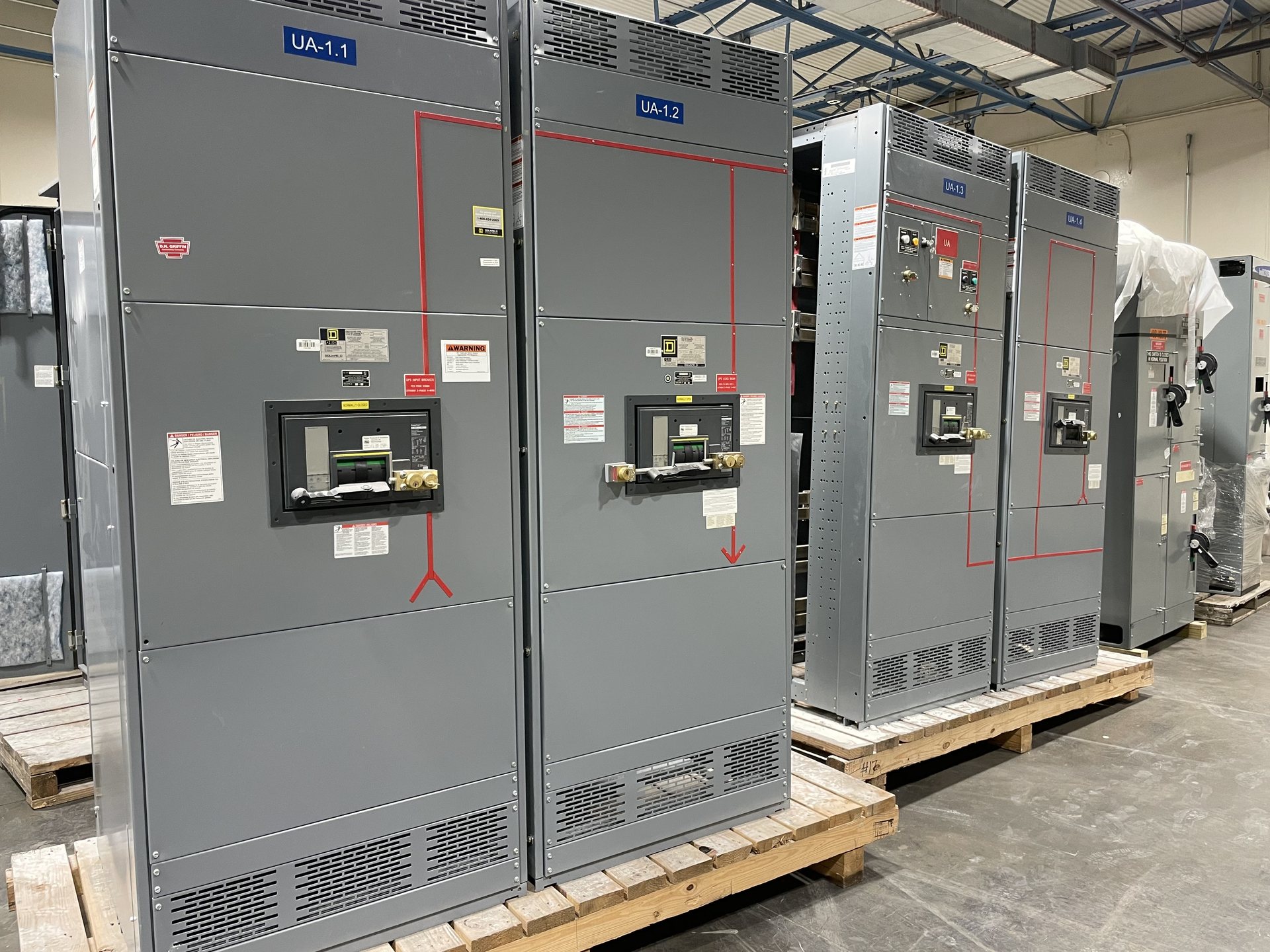
Define the sale unit before describing the equipment
A hypothetical industrial seller in Belle Glade might call several connected motor control center sections “the MCC,” while an inventory record lists only selected buckets or a single lineup section. Those labels can describe different sale units. Before seeking an offer, compare the owner’s existing equipment schedule, asset register, or other accessible records with the intended scope: complete lineup, identified sections, or individual units. The description should reflect what the seller is authorized to offer, not assume that all related equipment is included.
A complete lineup means the proposed transaction is being presented as the assembled group identified in the seller’s records; it does not establish that every section or bucket is present, available, or included. A section is a narrower unit, and an individual bucket is narrower still. If the intended scope is uncertain, say so rather than combining separate descriptions. Florida Switchgear Buyers reviews used, surplus, and decommissioned electrical switchgear and related equipment, with any offer and precise assets purchased contingent on review.
Build an inventory from known identities and quantities
For each unit the seller can identify from existing accessible information, record its designation as written, its apparent type, and the quantity being offered. If a schedule distinguishes sections by identifiers, preserve those identifiers rather than replacing them with an informal label. A count can help clarify whether a proposal covers, for example, several recorded sections or one listed bucket, but the count should be presented as a record-based quantity, not as a new physical inspection.
Keep confirmed details separate from unresolved ones. An asset register might identify a manufacturer or model for some items while leaving others blank; report the entries that exist and mark the remaining identities unknown. Do not infer that every bucket belongs to the same lineup or has matching details merely because records group them together. Brand names, if available in records, serve only to identify equipment and do not imply any brand relationship or endorsement.
Make documentation gaps explicit
Existing accessible photographs and documentation may help explain the proposed scope, including records that show listed identifiers or the boundaries used in an asset schedule. Share only material already available to the seller; a new photograph or inspection is not a prerequisite. If records do not establish whether an item is a complete section, a bucket, or another component, label that distinction unknown instead of resolving it through guesswork.
Other gaps may include quantity, model identity, condition, or whether an item remains within the proposed sale scope. State which fields are documented and which are not, and avoid presenting an estimated count or assumed condition as verified. Sellers do not need to test equipment for a potential sale. Only qualified professionals should handle electrical equipment; the seller should not open, energize, isolate, disconnect, move, or otherwise handle equipment to fill gaps in a sale description.
Establish authority and transaction boundaries
A useful scope description also identifies who has authority to offer the assets. A hypothetical seller should determine from its own records and internal approvals whether it can offer the complete listed lineup, only certain sections, or specified individual buckets. If ownership, approval, or the right to include a particular unit is unresolved, identify that as unresolved before treating the unit as part of the proposed transaction. No facility history or reason for surplus status needs to be assumed.
The proposed sale concerns equipment, not a general electrical project. Florida Switchgear Buyers buys used, surplus, and decommissioned electrical switchgear and related equipment in all voltage classes, including equipment from decommissioned data centers and closed power plants. That scope does not establish that any particular Belle Glade facility or asset qualifies. Review determines whether an offer is made and which precise assets are purchased; describing a lineup does not itself establish acceptance.
Separate equipment purchase from removal planning
For equipment it purchases, Florida Switchgear Buyers handles crane, rigging, disconnects, loading, freight, and hauling. Those arrangements apply to purchased assets; they are not a promise to remove every item named in a seller’s records. The scope therefore matters operationally as well as commercially: a proposed complete lineup, selected section, or individual bucket should be distinguished before the parties determine what equipment is actually included.
Removal of purchased equipment should not be confused with facility demolition or general electrical contracting. The company’s stated role is buying qualifying equipment and handling removal-related logistics for assets purchased, not taking responsibility for a seller’s entire site or unrelated equipment. Sellers should not disconnect or move anything themselves to prepare a sale. Any work involving electrical equipment should be left to qualified professionals, and the seller can describe existing conditions without attempting to create new access or verify details personally.
Present a clear, qualified offer request
A concise inquiry can identify the location as Belle Glade, state whether the proposed unit is a complete lineup, a section, or individual buckets, give known identifiers and quantities, and flag each unknown. Attach existing accessible records or photographs if useful, while making clear that gaps remain gaps. This lets review focus on the assets actually offered and avoids implying that a record proves condition, compatibility, completeness, or value.
Florida Switchgear Buyers makes cash offers and pays upfront for equipment purchased; no particular price, acceptance, or final purchase scope can be assumed before review. Sellers may contact (614) 715-3047 or saleselectricalbuyers@gmail.com to discuss the documented equipment. A seller can explain its authority and known inventory without testing or handling the assets. The resulting review determines whether an offer is available and which listed equipment, if any, is included.