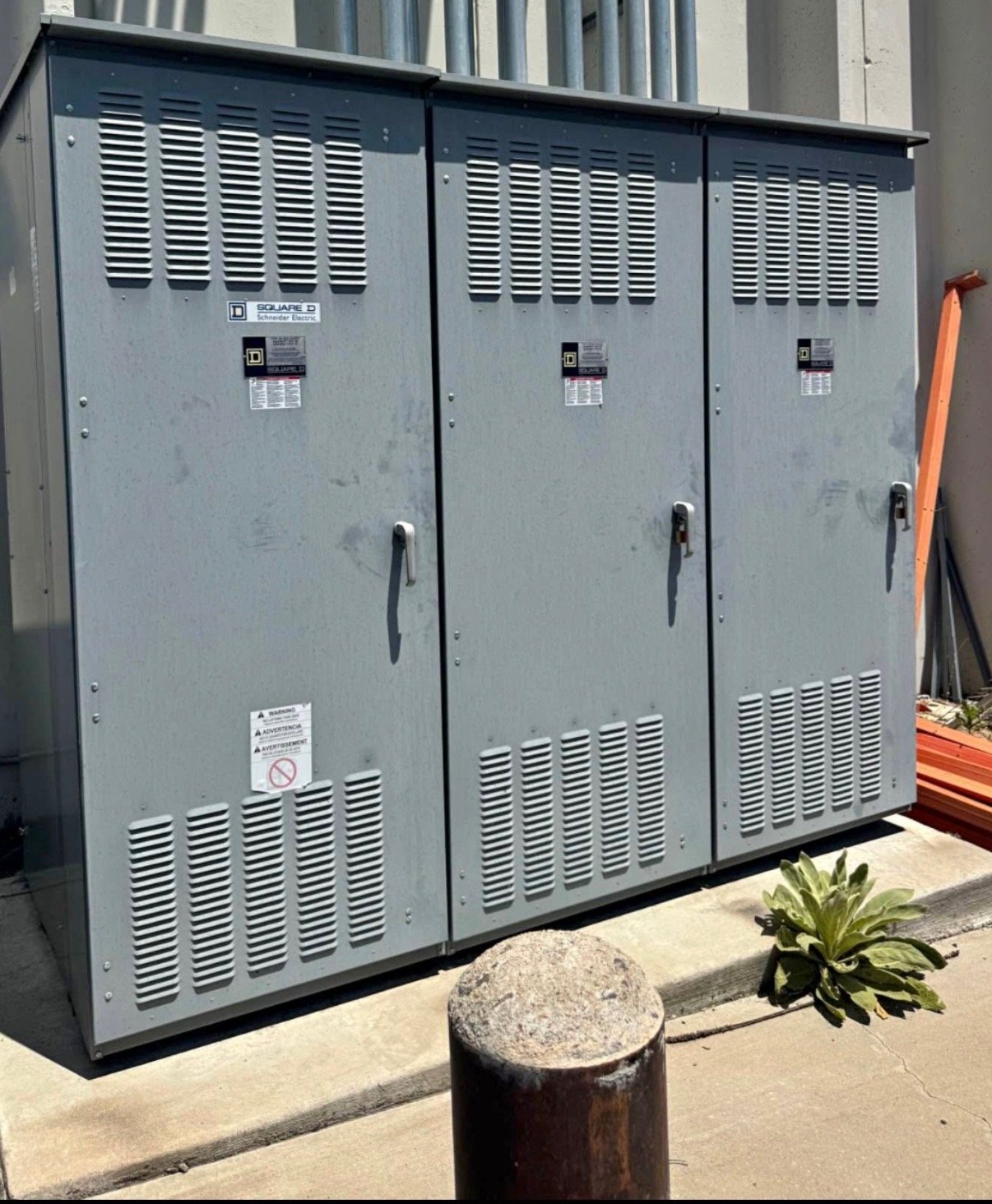
Reconcile the record with the offered asset
Start with the asset list, then compare each entry with what is already visible from a safe, accessible position. Record the identifier shown on the enclosure, if readable, and note whether it matches the list. A mismatch may reflect an outdated record, a replacement, or a labeling difference; do not resolve uncertainty by opening or handling the equipment. Mark the relationship as unconfirmed until documentation supports it.
Keep the scope of the proposed sale distinct from the inventory of the wider site. If the list includes several units but only some are being offered, identify the intended assets by existing labels or other available records and state which entries remain uncertain. Florida Switchgear Buyers reviews used, surplus, and decommissioned switchgear and related equipment across voltage classes; the precise assets considered for purchase depend on review.
Photograph only what is safely visible
Use existing, safely accessible viewpoints for photographs. A broad view can help distinguish the enclosure from nearby equipment, while closer images may show readable labels or visible exterior damage. Do not approach, touch, open, energize, test, isolate, disconnect, or move equipment to improve a photograph. If a useful angle is not safely available, leave it out and describe the limitation rather than asking someone to obtain it.
Keep images tied to the correct asset through filenames or a simple photo log based on an existing identifier. Avoid combining pictures of different units under one label, particularly where enclosures look similar. If the identifier cannot be read in a photograph, say so; do not infer identity from appearance alone. Existing photographs and accessible documentation can be shared for review, and sellers do not need to test equipment.
Describe enclosure damage and absent parts precisely
Report exterior observations in neutral terms: for example, a visible dent, corrosion-like discoloration, a damaged-looking door, or a part that appears absent from the outside. Separate direct observation from interpretation. A photograph may show a surface mark, but it may not establish its cause, extent, or effect on the equipment. If the condition is unclear, identify it as unclear instead of assigning a repair history or safety conclusion.
When an external component appears missing, describe what can be seen and where, without trying to verify the configuration by opening the enclosure. Do not assume that a visible opening, cover, handle, or accessory is required or optional for a particular unit. A qualified professional should address equipment handling or technical assessment. For a sale review, the useful distinction is between a clearly visible exterior observation and an unverified conclusion about function or completeness.
Capture labels without guessing at unreadable details
Photograph labels only when legible from a safe position, and transcribe the text that is actually visible. If a line is obscured, faded, or too small to read, mark that portion unknown rather than completing it from memory or from a similar unit. Useful records may include existing asset identifiers and label images, but an uncertain transcription should remain explicitly uncertain in the inventory shared for review.
Keep label information separate from assumptions about equipment capabilities or condition. A nameplate or exterior marking can help identify an asset, but it does not by itself establish that the unit operates, is suitable for another application, or has been isolated. If an existing record conflicts with a visible label, preserve both versions and flag the discrepancy. Avoid presenting a guessed voltage, model, or manufacturer as confirmed information.
Record exposure history—and its limits
Add known exposure history only when it comes from a reliable existing record or firsthand knowledge that can be described accurately. For instance, a seller might report that an enclosure was outdoors for a known period, or that a particular event was documented; if dates or circumstances are uncertain, say so. Do not infer a history from Florida’s climate, surface appearance, or the fact that equipment is installed outside.
Separate documented exposure from visible condition and from unknown internal condition. Exterior photographs cannot establish the state of internal components, electrical integrity, isolation, or operability. A clean-looking enclosure is not evidence that equipment is safe or functional, and visible damage alone does not establish the full extent of a problem. State what is known, what is observed, and what remains unknown as three different kinds of information.
Prepare a clear sale review package
A concise package can pair the reconciled asset list with safely obtained exterior photographs, readable label images, and brief notes on visible damage, missing external parts, known exposure, and unknowns. Identify which equipment is being offered and flag any uncertain match between records and physical labels. This helps distinguish the intended sale scope from assets merely present on an inventory, without suggesting that the equipment has been tested or cleared for service.
Florida Switchgear Buyers makes cash offers for equipment it purchases, pays upfront for purchased equipment, and handles crane, rigging, disconnects, loading, freight, and hauling for purchased assets. Purchase scope and any offer are contingent on review; this is equipment purchasing and removal of purchased equipment, not a promise to buy every listed asset or a facility demolition service. For review, contact (614) 715-3047 or saleselectricalbuyers@gmail.com. Only qualified professionals should handle electrical equipment.