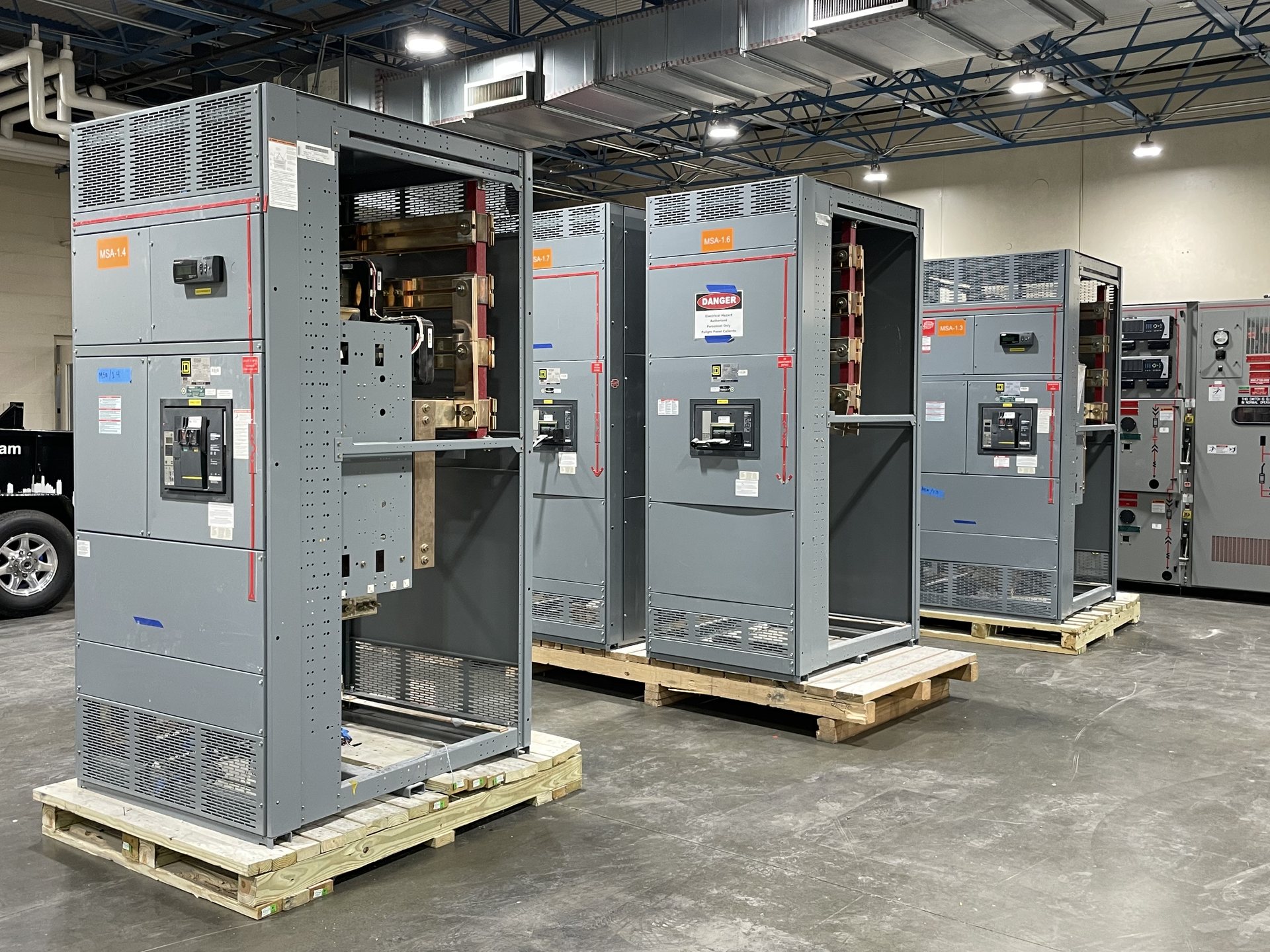
Separate the incoming section from motor-control units
A motor control center inventory may refer to an incoming section, motor-control units, or both. Those terms describe different parts of the offered equipment, so a general note such as “MCC available” may leave the sale boundary unclear. If existing records identify the incoming section separately from the units, share that distinction. It helps reviewers understand what the inventory is intended to include without requiring the seller to inspect or handle equipment.
For example, a facility record might list one incoming section and a stated number of motor-control units, while another document describes only the assembly as a whole. Neither format establishes what will be purchased; the available information and equipment remain subject to review. If the records use different descriptions, provide both rather than choosing one as definitive. Any uncertainty about whether an item belongs to the offered group should remain explicitly unknown.
Use nameplates and records as separate evidence
Accessible photographs of existing nameplates can help distinguish an incoming section from individual motor-control units, especially when documents use broad or inconsistent labels. A clear image may show identification details that can be compared with an equipment list, but it does not by itself establish the complete inventory, condition, or sale scope. Share photographs already available; do not open equipment or create new access to obtain them.
Other useful material may include existing schedules, asset registers, drawings, or prior inventory sheets that identify sections and units. These documents can differ in age or purpose, so note their source or date when known and avoid presenting an old count as a current verified count. If no record identifies a particular section or unit, say that the information is unavailable rather than inferring it from appearance or neighboring entries.
Make the unit count understandable
A known motor-control-unit count is more useful when its basis is clear. A record may count individual units, list positions, or refer to a group without explaining the counting method. Preserve the wording used in the source and, if another document gives a different total, include both figures with their respective sources. The difference is a review question, not a reason for the seller to conduct a physical count.
Where the inventory includes an incoming section plus separately identified units, show the figures separately if existing documentation supports that breakdown. If the incoming section is included in a total, or the records do not make that clear, state the ambiguity. A count should not be treated as evidence that every listed item remains present or is included in the proposed sale; those points depend on review of the offered assets.
Define the offered boundary in writing
A practical sale description identifies what the seller is offering and what is outside that boundary, based on records the seller already has. For instance, the proposed group might be described as an incoming section and a documented set of motor-control units, while adjacent equipment is expressly excluded. That example is only a way to clarify scope; it does not imply acceptance, a particular configuration, or that every described item will be purchased.
If the equipment is part of a larger electrical room or facility inventory, distinguish the MCC items from unrelated assets and from building or infrastructure components. Do not assume that a room-wide label means every item in the room is part of the offer. A concise list of included descriptions, exclusions, and unresolved boundaries can prevent mismatched expectations while leaving the final purchase scope contingent on review.
Share what is known—and label what is not
A useful submission can bring together the available item descriptions, separate incoming-section and unit counts, accessible nameplate photographs, and any known exclusions. It need not resolve every discrepancy before review. Mark missing model, count, condition, or ownership details as unknown when they cannot be confirmed from existing information. This is more reliable than filling gaps with assumptions, particularly when records describe an assembly differently from its individual sections or units.
Florida Switchgear Buyers considers used, surplus, and decommissioned switchgear and related equipment across all voltage classes, including equipment from decommissioned data centers and closed power plants. No seller testing is required. Only qualified professionals should handle electrical equipment; sellers should not open, test, energize, isolate, disconnect, move, or otherwise handle it to prepare information. Existing accessible documentation and photographs can be shared instead.
Plan around purchased equipment, not assumed scope
After reviewing the information, Florida Switchgear Buyers may make a cash offer, with the precise assets purchased contingent on review. Payment for equipment purchased is upfront. For purchased assets, the company handles crane, rigging, disconnects, loading, freight, and hauling. These arrangements concern equipment included in a purchase, not wholesale facility demolition or general electrical services. Do not treat an initial inventory description as confirmation that every listed section or unit is included.
For a review of an MCC inventory, contact Florida Switchgear Buyers at (614) 715-3047 or saleselectricalbuyers@gmail.com. Sharing the distinction between the incoming section and motor-control units, the documented count, and the intended sale boundary can make the discussion more specific. Where those details cannot be established from available records, identify them as unknown; the company can assess the offered equipment and determine the purchase scope through review.