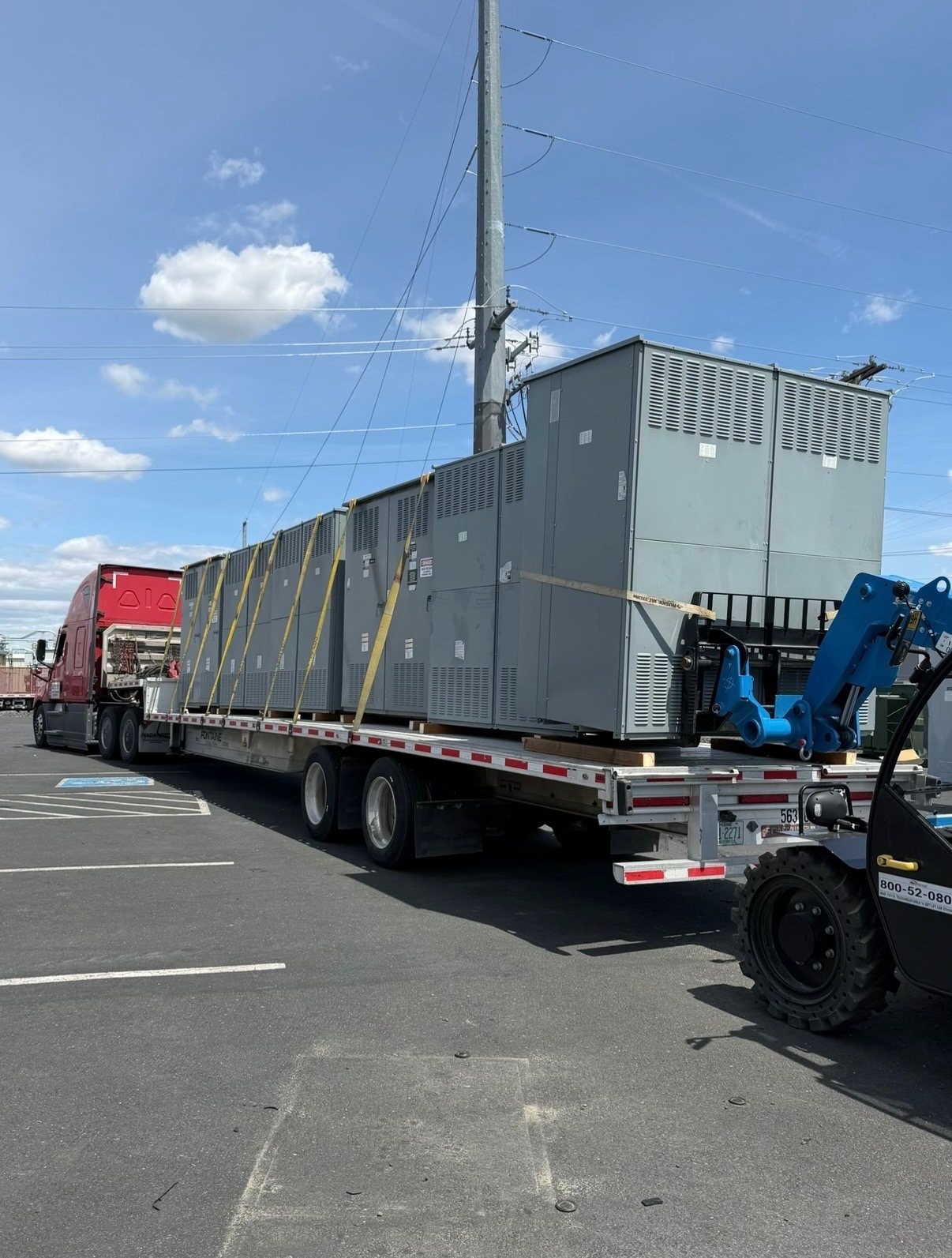
Describe the offered section, not just the switchboard
A surplus inventory may contain one feeder section, several adjoining sections, or a larger switchboard assembly offered as a group. State which arrangement is actually being considered for sale. If sections are listed separately, identify them by their existing section labels or another reference visible in accessible records or photographs. This helps distinguish the intended assets without assuming that neighboring equipment is included.
A single section may have its own enclosure, bus arrangement, feeder positions, and associated components, while a larger lineup may combine multiple sections and panels. Do not infer boundaries from appearance alone or describe a complete lineup if the proposed sale covers only part of it. Where the sale scope is not yet clear, say so; the buyer’s review determines which specific assets, if any, are purchased.
Use existing records to map feeder positions
Externally available schedules, drawings, asset registers, or prior inventory sheets may show feeder positions and their labels. If such documentation is already accessible, share the relevant pages and identify the document date when known. A schedule can help connect a position to its recorded destination or function, but it may not reflect later changes. Treat discrepancies between documents as unresolved rather than choosing one version as fact.
When a feeder destination is unknown, record it as unknown instead of supplying a likely use based on the connected area or equipment name. A label such as “spare” or a named load can be useful context, but it does not establish present condition, availability, or suitability. Sellers do not need to inspect the equipment or verify schedules; existing information and clear photographs, if available, can support an initial review.
Count breakers with clear scope
A breaker count is most useful when it explains exactly what was counted: devices shown on an existing schedule, devices identified in records, or visible positions represented in supplied photographs. Distinguish installed breakers from empty positions, blank covers, or entries whose status is unclear. If records give only a total for an entire lineup, do not assign that number to one feeder section unless the documentation supports that allocation.
Counts may differ across drawings, maintenance records, and inventory lists, especially when documents were created at different times. Preserve those differences in the description and note which source supports each figure. A count should not be presented as a condition assessment or proof that each device is present and operable. No seller testing is necessary, and only qualified professionals should handle electrical equipment.
List panels and associated components separately
Some offered inventories may include panels associated with a feeder section; others may cover the section alone. Name each included panel only when existing records or clear, accessible images support the identification, and state whether the sale scope expressly includes it. If documentation mentions a panel but does not establish that it remains with the offered equipment, flag that uncertainty rather than treating the reference as an included asset.
The same care applies to accessories, covers, metering components, or other items shown in an inventory. Separate confirmed inclusions from items merely referenced in a drawing or pictured nearby. A concise schedule of section labels, feeder-position references, breaker counts, and included panels can make the proposed lot easier to review, but it should not imply that every listed item will be accepted for purchase.
Keep section ratings distinct from device ratings
A section rating and an individual breaker rating describe different things. A section’s recorded rating may characterize the section or assembly, while a device rating pertains to a particular breaker. Do not substitute one for the other, add device ratings together to estimate a section rating, or assume that every feeder position shares the same device rating. Report values only as they appear in accessible documentation or legible existing labels.
When the source, units, or scope of a rating is unclear, quote the record’s wording and mark the interpretation unknown. Ratings alone do not establish condition, compatibility, or present suitability, and an inventory description should not turn them into those claims. Sellers should not open equipment or perform tests to obtain missing details. Any handling or technical examination must be left to qualified professionals; photographs and documents already available are sufficient to share for review.
Prepare a review-ready inventory for a possible sale
Florida Switchgear Buyers purchases used, surplus, and decommissioned electrical switchgear and related equipment in all voltage classes, including equipment from decommissioned data centers and closed power plants. It makes cash offers and pays upfront for equipment it purchases; the offer and precise assets purchased depend on review. Sellers do not need to test equipment. For purchased assets, the company handles crane, rigging, disconnects, loading, freight, and hauling—not wholesale facility demolition or general electrical services.
For an initial discussion, provide the section labels, the proposed sale scope, documented feeder positions and breaker counts, included-panel information, and any rating records already available. Mark absent or conflicting details as unknown, and share existing photographs only if readily accessible without handling equipment. Contact Florida Switchgear Buyers at (614) 715-3047 or saleselectricalbuyers@gmail.com. Review determines whether an offer is made and which assets are included; no schedule or acceptance is assumed.