Start with the boundary of the proposed sale
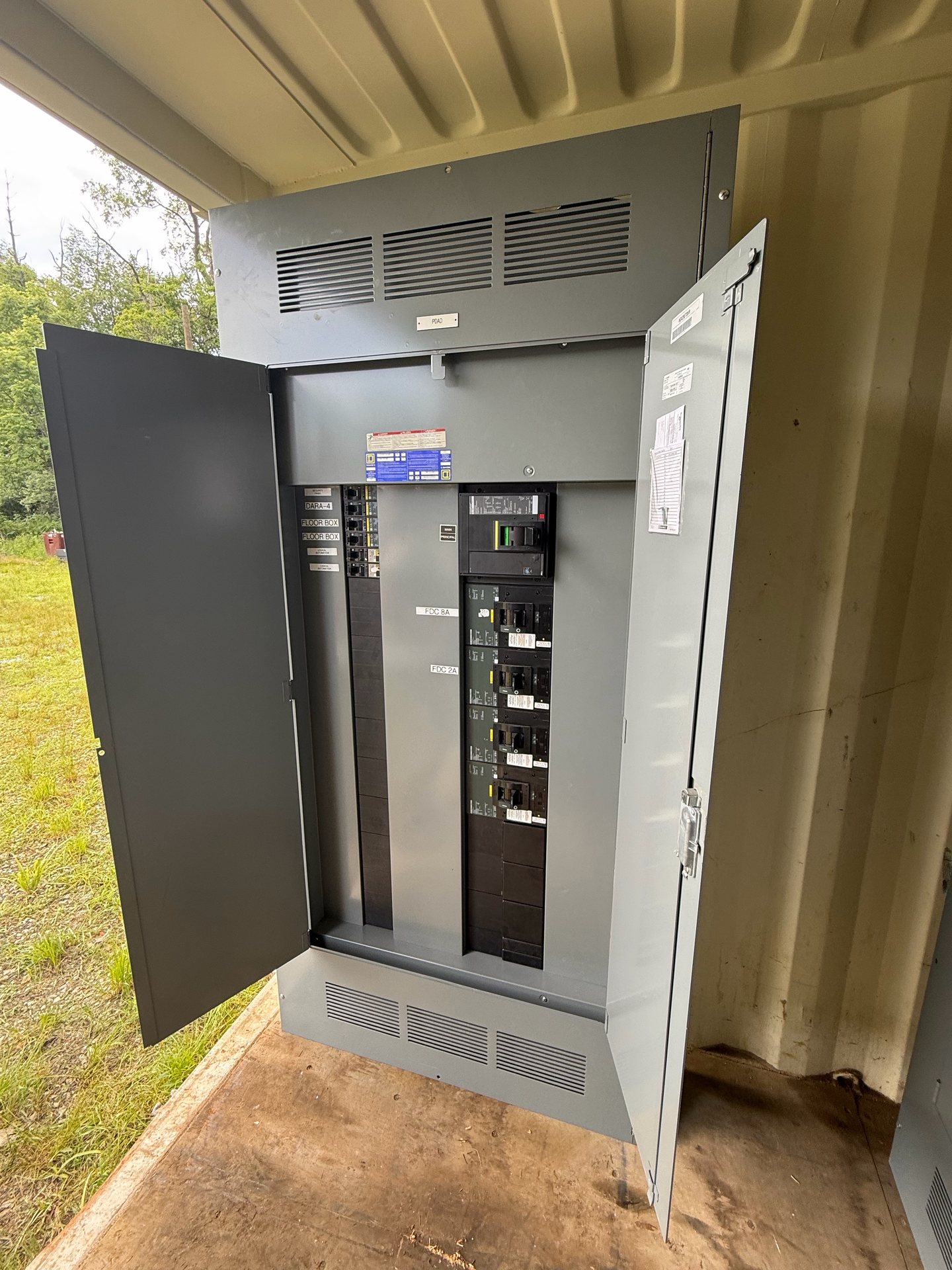
Imagine a facility owner planning to retain most of a metal-clad lineup while considering whether to sell one section made surplus by a change in operating needs. The first decision is not whether that section looks complete; it is exactly which section is being offered and where its boundaries fall. A potential buyer needs to distinguish the proposed asset from adjoining sections that are staying in place.
Describe the section using its existing lineup position, visible identification, and physical relationship to neighboring gear, where those details are accessible. If the proposed boundary is uncertain, say so rather than treating a lineup position or enclosure seam as proof of what is included. Florida Switchgear Buyers reviews used, surplus, and decommissioned switchgear and related equipment; the assets ultimately purchased depend on review.
Preserve the marked identity and available records
A section’s nameplate, lineup designation, or other existing marking can help identify the specific asset under consideration. Share photographs of accessible markings or transcribe what can already be read from a safe location. If a marking is obscured, missing, or difficult to interpret, report that limitation as unknown; do not open an enclosure or approach equipment in a way that requires handling it.
Drawings and records may clarify how the proposed section was arranged within the lineup, but their presence and completeness should not be assumed. Available lineup drawings, equipment schedules, or existing documentation can be shared for review. Note whether a drawing appears to cover the present configuration or an earlier one, if that is already known. Records help frame questions; they do not by themselves establish condition or standalone capability.
Identify breakers and accessories separately
List breakers and accessories associated with the proposed section only when existing labels, inventories, or other accessible records support that association. A breaker shown nearby in a photograph may belong to a different section, and an item physically adjacent to the proposed boundary is not automatically part of the sale. If ownership or inclusion is unclear, identify the item as uncertain instead of silently grouping it with the section.
Existing documentation might identify a breaker, instrument, or accessory by designation, while leaving its present status unknown. Preserve that distinction: documented identity is not confirmation that an item is installed, functional, or included. No seller testing is necessary. Florida Switchgear Buyers does not require sellers to test equipment, and only qualified professionals should handle electrical equipment or determine its condition.
Do not equate a section with an operable unit
A metal-clad section offered individually may have been part of a larger lineup, and its apparent completeness does not establish that it can operate independently. Connections, controls, protective arrangements, or other dependencies may relate to neighboring equipment; whether any apply must be established from suitable records or professional review, not appearance alone. Avoid describing the section as standalone, ready for service, or compatible with another lineup unless that status is supported.
For a prospective sale, describe what is known about the section’s role and what remains unknown. If it was removed from service, surplus to requirements, or associated with a broader decommissioning, state only the history that can be confirmed. Do not energize, inspect internally, isolate, disconnect, or move equipment to answer buyer questions. Review can begin with accessible information and may lead to follow-up questions about scope.
Make the physical scope clear before removal planning
Describe the proposed section’s physical limits in practical terms: which enclosure or marked position is offered, whether identified breakers or accessories are included, and which adjacent sections are expressly retained. If the boundaries cannot be established from existing information, flag that point before any removal plan is considered. This is especially important where the lineup appears continuous or shared labels make a single section difficult to distinguish.
Selling purchased equipment is not the same as arranging demolition of an entire room or facility. For equipment it purchases, Florida Switchgear Buyers handles crane, rigging, disconnects, loading, freight, and hauling. The seller should not undertake those activities to prepare the equipment. Any purchase and removal scope is contingent on review, and no assumption should be made that adjoining or retained gear is part of the transaction.
Share what is available and request a review
A concise submission can combine the section’s visible identity, accessible photos, known breaker and accessory records, available drawings, and a clear statement of what remains in place. Separate confirmed facts from unknowns, particularly for condition, configuration, and standalone use. That makes it easier to assess the individual section rather than treating an entire lineup as one undifferentiated asset. No particular manufacturer, configuration, or acceptance should be presumed before review.
Florida Switchgear Buyers makes cash offers for used, surplus, and decommissioned switchgear and related equipment across all voltage classes, including equipment from decommissioned data centers and closed power plants. It pays upfront for equipment purchased; the offer and precise assets purchased depend on review. To discuss a potential Florida sale, contact (614) 715-3047 or saleselectricalbuyers@gmail.com. Share existing accessible information only; qualified professionals should handle the equipment itself.