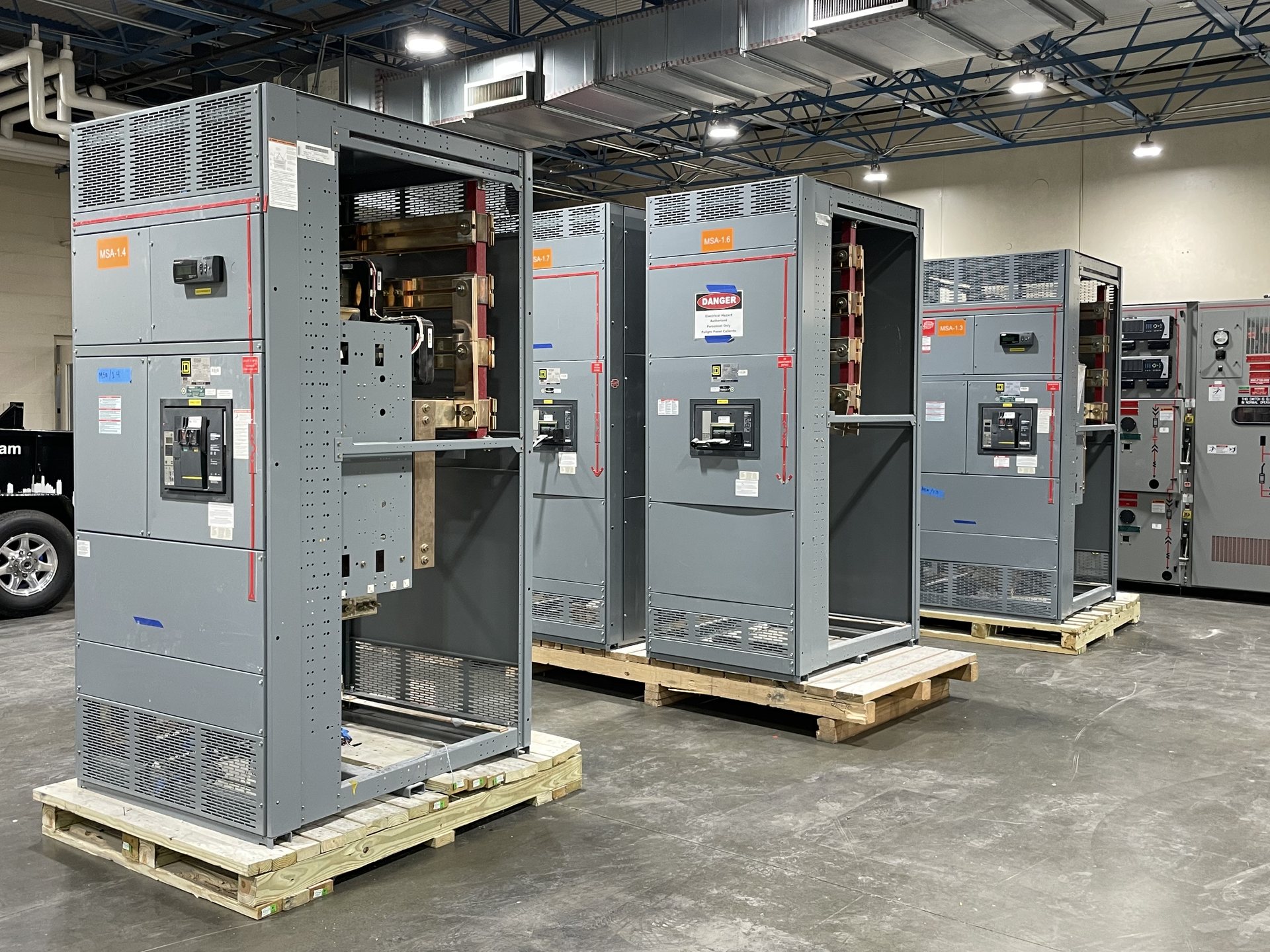
Separate the switching asset from the transformer
A site asset list may use one line for a pad-mounted assembly even when records describe switching equipment and a transformer as separate assets. Start by comparing the wording in existing schedules, drawings, invoices, or equipment labels that are already accessible. The purpose is not to determine the internal configuration, but to establish what the records identify and what the seller intends to include in a proposed sale.
If documentation names a switch, switchgear, or switching enclosure separately from a transformer, preserve those distinctions when describing the offer. Conversely, a record may describe an integrated assembly under a single identifier. Do not infer that an adjacent transformer is part of the switchgear, or that a shared enclosure proves common ownership. Where the records do not resolve the boundary, mark it unknown for review.
Define the sale boundary in plain language
For each proposed asset, state whether the offer is for the switching equipment, the transformer, or both, using the identifiers available in the existing records. If a transformer sits next to pad-mounted gear but is excluded, say so explicitly; if it is intended to be included, identify it separately rather than relying on proximity. This helps prevent a buyer and seller from reviewing different equipment under a single broad site description.
The boundary should also account for related components only when the seller can identify them from accessible documentation or existing records. For example, a schedule might associate a transformer with a particular gear lineup, while another item in the same area has a separate asset number. Avoid treating every nearby cabinet or electrical asset as included. The precise assets purchased remain contingent on review, so clear descriptions support evaluation without promising acceptance.
Keep ratings and identifiers attached to each item
Record ratings separately for the switchgear and transformer when existing documents provide them. A voltage entry associated with one asset should not be copied onto the other merely because the equipment is adjacent or appears together in a schedule. Preserve the source wording and identifier, and note when a rating is absent, illegible in an existing image, or uncertain. No seller testing is required to provide this information.
Other available identifiers—such as asset tags, serial numbers, manufacturer names, or drawing references—can help distinguish equipment with similar descriptions. Share only what is already accessible; do not open equipment or approach it to obtain details. A brand name may be reported as identification, but it does not establish a particular model, condition, compatibility, or affiliation. If records conflict, retain both entries and flag the discrepancy rather than choosing one without support.
Confirm ownership and authority to offer each asset
A facility operator may possess records for equipment owned by another party, or a site inventory may not show whether title transferred with a lease, sale, or project. Before presenting adjacent gear and a transformer together, reconcile the ownership information available for each asset. If ownership is known for the switchgear but unclear for the transformer, identify that difference; do not represent the entire grouping as available for sale based on location alone.
Where a third party, lender, tenant, utility, or other stakeholder may have an interest, resolve the seller’s authority through the appropriate records and internal process before describing that item as included. These are conditional examples, not assumptions about any particular Florida site. If the ownership field is blank or documents disagree, label it unknown or unresolved. A buyer’s review of equipment does not itself establish the seller’s right to transfer it.
Share a useful record set without field work
An asset list paired with existing, accessible photographs and relevant records can make the proposed boundary easier to understand. Useful materials may include inventory entries, nameplate images already on file, drawings, or maintenance documentation, provided they can be shared without anyone accessing or handling the equipment. Explain which document corresponds to which asset, especially when the switching equipment and transformer have separate tags or rating entries.
Do not ask staff to test, energize, open, isolate, disconnect, or move equipment to fill gaps in a sale description. Only qualified professionals should handle electrical equipment. Missing condition details can remain unknown; seller testing is not necessary. If a photograph does not show a label clearly, state that limitation rather than estimating a value or specification. The goal is an honest record-based description, not a field inspection by the seller.
Describe review and removal expectations accurately
Florida Switchgear Buyers purchases used, surplus, and decommissioned electrical switchgear and related equipment across all voltage classes, including equipment associated with decommissioned data centers and closed power plants. It makes cash offers and pays upfront for equipment purchased. Whether the switchgear, adjacent transformer, or both are purchased depends on review; an offer should not be treated as confirmation that every listed asset will be accepted.
For purchased equipment, the company handles crane, rigging, disconnects, loading, freight, and hauling. This applies to equipment included in a purchase, not a promise of whole-facility demolition or general electrical services. To discuss a record-based asset list, contact (614) 715-3047 or saleselectricalbuyers@gmail.com. Identify which entries are intended for sale and which facts remain unknown so the proposed scope can be reviewed accurately.