A buyer conversation about motor control centers in Florida
Considering a sale of motor control centers in Florida? Florida Switchgear Buyers buys electrical switchgear from decommissioned data centers and shut-down power plants, as well as other surplus electrical distribution equipment, in all voltage classes. We make cash offers and pay upfront for equipment we purchase. We handle disconnects, crane, rigging, removal, loading, freight and hauling, so the seller can simply get paid. No seller testing is required. The equipment is subject to review, and qualified personnel handle electrical work as needed.
The useful starting point for motor control centers in Florida is to distinguish the item itself from a broader description such as “electrical gear.” The proposed sale may involve one piece, separate sections, or a mixed group. Existing markings and records can help identify what is included, while the seller can openly flag details that are unknown. No model name, rating, or physical appearance by itself establishes condition or a particular offer.
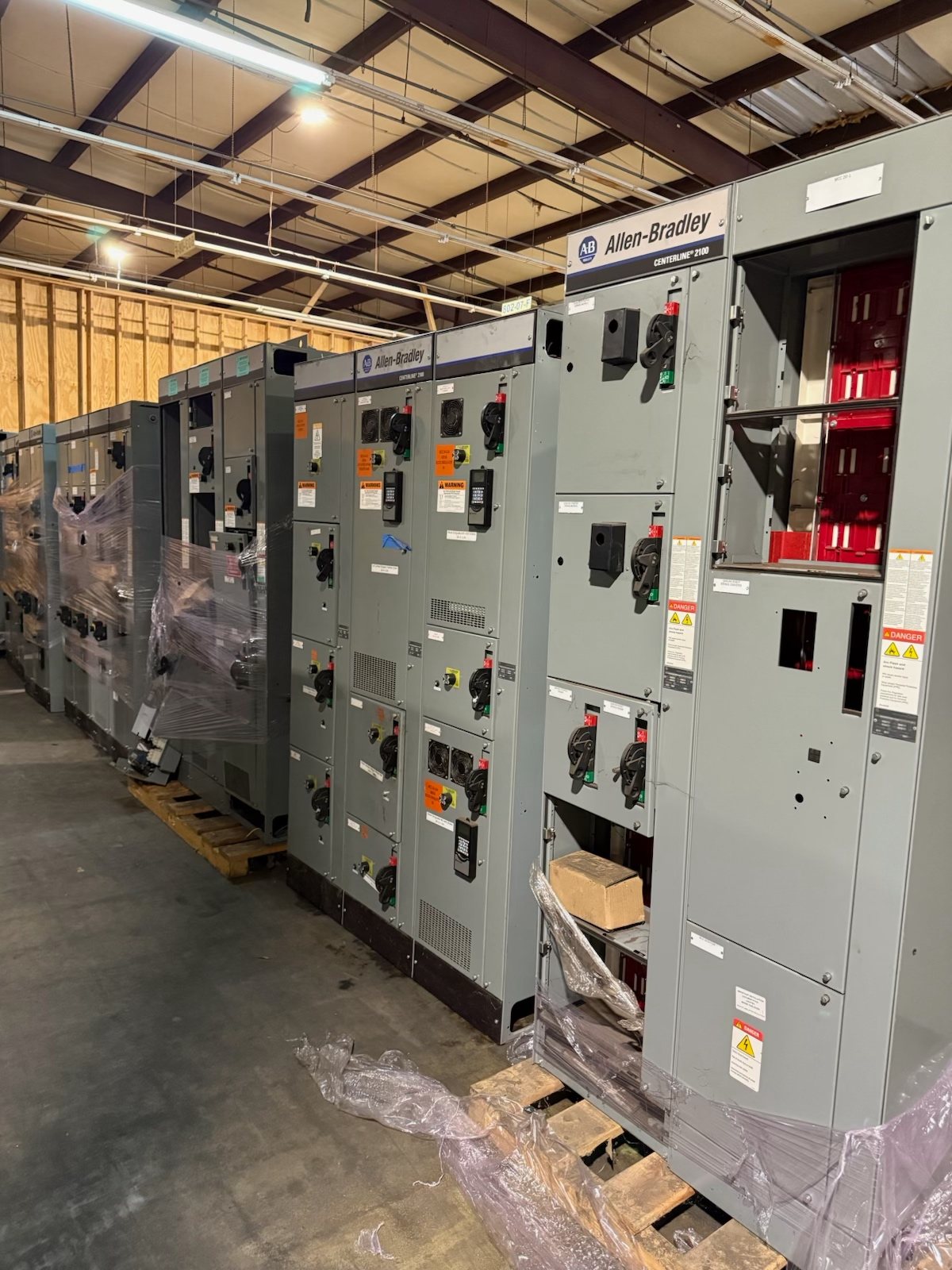
Motor control center lineups
For a motor control center, the seller can identify the lineup, available sections, and any buckets or units that are included. A mixed group may include units with different markings or an incomplete record of where each belongs. A list of what is actually offered can be more helpful than a general statement that everything matches. Model and rating information already in records can be shared without performing a test.
A buyer can review a clearer inquiry when the seller separates confirmed facts from assumptions. Existing asset numbers, manufacturer names, model information, known ratings, and photographs may each help identify an item. A photograph taken for another purpose or an old inventory record may not answer every question, so gaps can be stated plainly. For several pieces, a short description for each is more informative than assigning one detail to an entire mixed group.
Consider assets from separate projects
Equipment gathered from separate projects may share a manufacturer name while differing in type, model, and physical condition. A list that keeps these details separate is more informative than a broad description such as “electrical gear.” A seller may describe a proposed group and note missing information for individual pieces. The buyer can review the group without an assumption that the components are interchangeable.
The reason an item became surplus is useful context, but it does not establish the condition or value of the equipment. An owner can distinguish the assets being offered from other equipment at the site. If the item is one part of a larger group, specify what is being considered and what remains outside the proposed sale. The buyer handles the removal and logistics for purchased equipment, while reviewing each proposed lot on its own details.
Describe condition without seller testing
Equipment condition, completeness, and previous use are separate questions. An owner might have a manufacturer label but no records describing earlier use, or a storage inventory without detailed information for each piece. Those differences are worth noting in a sale inquiry. Share the information already available and describe uncertainty accurately. A buyer’s consideration of the equipment should not be mistaken for a statement that it has been tested or is operational.
No seller testing is required. Existing equipment records, labels, or photographs may help identify an item, but an owner should not conduct electrical work or handle equipment to answer a buyer’s questions. Only qualified personnel should handle electrical equipment. Where the history or condition is uncertain, the inquiry can say exactly that. The buyer reviews the information available rather than requiring the seller to establish that a piece works.
Cash offers and the scope of a sale
Cash offers and upfront payment are part of the stated buying proposition. An offer is considered in relation to the equipment being presented, so the owner should describe the actual pieces, quantities, and condition as far as known. There is no specific price or guaranteed acceptance on this page. A potential seller can ask about the sale while keeping uncertain information clearly marked as uncertain.
The person making contact can identify the equipment owner and whether they are authorized to discuss a sale. If several groups are involved, it helps to describe who can answer questions about the asset list and who knows the site. These are practical communication details, not a substitute for the parties’ own decisions. The buyer can consider the specific items offered without assuming a particular history, completeness, or outcome.
Buyer-handled removal, freight and a direct inquiry
The buyer takes care of disconnects, crane, rigging, removal, loading, freight and hauling for purchased equipment. All freight is covered by Florida Switchgear Buyers, not the seller. The seller does not need to arrange a crew, move the equipment or perform testing. Qualified personnel handle electrical work as needed. An owner can share the location and any known access details when discussing the sale, without doing the work themselves.
To discuss a possible sale, call (614) 715-3047 or email saleselectricalbuyers@gmail.com. Florida Switchgear Buyers buys electrical equipment; it does not offer equipment for sale on this page. Tell the buyer what items are being considered and identify the best available contact for the asset details. Existing records can be shared where available, while unknown details can remain open. A request starts a conversation rather than guaranteeing a particular offer.