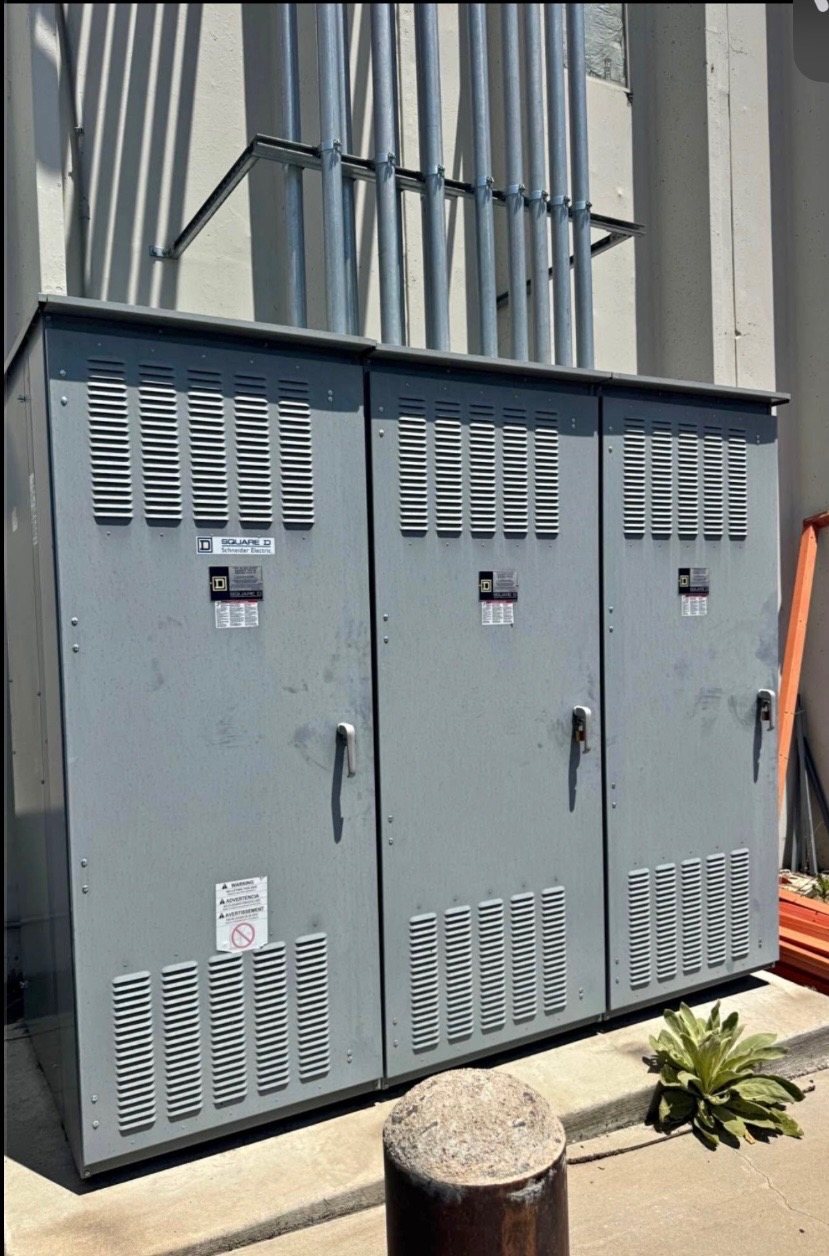
A buyer conversation about indoor switchgear in Florida
Considering a sale of indoor switchgear in Florida? Florida Switchgear Buyers buys electrical switchgear from decommissioned data centers and shut-down power plants, as well as other surplus electrical distribution equipment, in all voltage classes. We make cash offers and pay upfront for equipment we purchase. We handle disconnects, crane, rigging, removal, loading, freight and hauling, so the seller can simply get paid. No seller testing is required. The equipment is subject to review, and qualified personnel handle electrical work as needed.
The useful starting point for indoor switchgear in Florida is to distinguish the item itself from a broader description such as “electrical gear.” The proposed sale may involve one piece, separate sections, or a mixed group. Existing markings and records can help identify what is included, while the seller can openly flag details that are unknown. No model name, rating, or physical appearance by itself establishes condition or a particular offer.
Switchgear lineups and sections
A switchgear inquiry can describe the manufacturer, any available model and rating information, and whether the equipment is a complete lineup or separate sections. Existing records may identify a main section, feeder sections, or associated breakers. The owner does not need to guess about internal configuration. When available information is incomplete, a clear note about what is included and what is unknown is more useful than a claim that every section matches.
Useful details often include manufacturer, model, reported voltage or amperage, quantities, and whether a piece is part of a larger assembly. Include these only when known; the absence of a field does not require an owner to invent it. Existing inventory sheets and exterior photographs can support a description, but neither a label nor an image guarantees condition. Identifying which records correspond to which piece is especially helpful in a mixed lot.
Consider a facility change
When an owner is reviewing assets after a change in how a facility is used, equipment may have different statuses and decision-makers. An inventory can distinguish items that are being considered for sale from items that remain needed. It is also useful to identify who is authorized to discuss the asset and who has the best available records. The buyer handles the work and logistics for the purchased equipment.
The reason an item became surplus is useful context, but it does not establish the condition or value of the equipment. An owner can distinguish the assets being offered from other equipment at the site. If the item is one part of a larger group, specify what is being considered and what remains outside the proposed sale. The buyer handles the removal and logistics for purchased equipment, while reviewing each proposed lot on its own details.
Describe condition without seller testing
Condition is more useful to a buyer when it is described in ordinary, specific terms. The owner can say whether an item is unused, previously installed, in storage, or of unknown history when those facts are actually known. Existing photographs may show external condition or packaging. If records do not establish whether something is complete or functional, the seller can say that instead of turning an assumption into a performance claim.
Seller testing is not needed for this purchase inquiry. The seller can provide information that already exists and be clear about what remains unknown. Electrical equipment should be handled only by qualified personnel; this page is not a procedure for electrical work. If the available records are limited, say so. A practical, honest description is a better starting point than making an unsupported claim about condition or performance.
Cash offers and the scope of a sale
The buyer offers cash and pays upfront for equipment it purchases. A useful first conversation identifies what is for sale and what information the owner can provide. Neither an equipment label nor a category on this page establishes an exact value, and an inquiry is not an automatic acceptance. Ask questions about the proposed sale and describe known details accurately so the buyer can evaluate the actual equipment rather than a generic description.
A single-piece inquiry and a mixed-lot inquiry may require different descriptions. For a lot, distinguish major equipment, loose components, and documentation rather than assuming they are all one assembly. For an individual item, identify whether associated pieces are included or excluded. This helps define what the buyer is considering. The presence of a manufacturer name or a current rating is an identifier; it should not be treated as an automatic valuation.
Buyer-handled removal, freight and a direct inquiry
Florida Switchgear Buyers handles the disconnects, crane, rigging, removal and loading of the equipment it purchases, as well as all freight and hauling. The seller does not have to perform or arrange that work: the buyer handles the logistics, and qualified personnel handle electrical equipment as needed. Any location or access information already available can help the conversation, but the seller is not required to test equipment or prepare it for removal.
To discuss a possible sale, call (614) 715-3047 or email saleselectricalbuyers@gmail.com. Florida Switchgear Buyers buys electrical equipment; it does not offer equipment for sale on this page. Tell the buyer what items are being considered and identify the best available contact for the asset details. Existing records can be shared where available, while unknown details can remain open. A request starts a conversation rather than guaranteeing a particular offer.