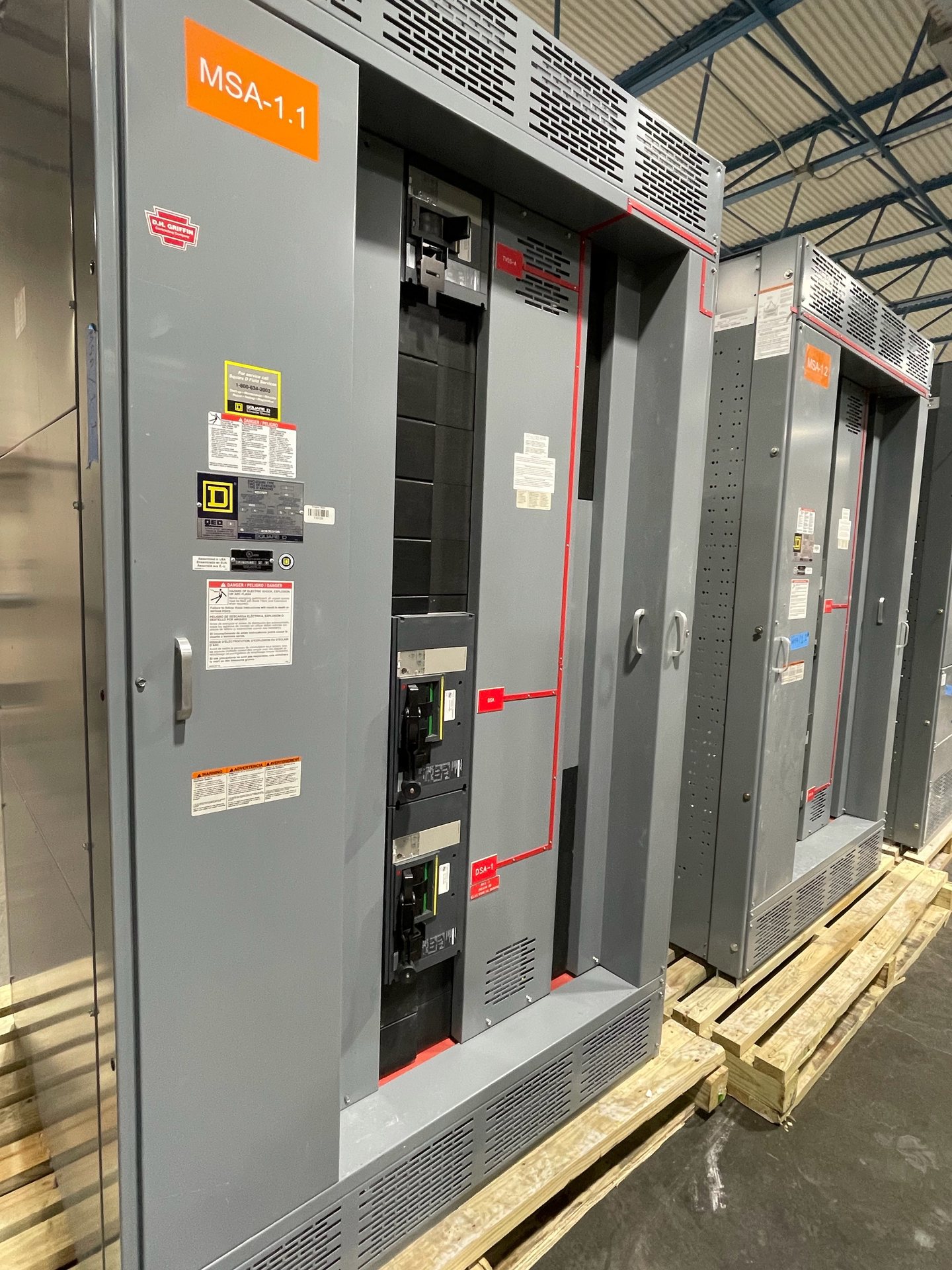
A buyer conversation about surplus electrical equipment in Florida
Considering a sale of surplus electrical equipment in Florida? Florida Switchgear Buyers buys electrical switchgear from decommissioned data centers and shut-down power plants, as well as other surplus electrical distribution equipment, in all voltage classes. We make cash offers and pay upfront for equipment we purchase. We handle disconnects, crane, rigging, removal, loading, freight and hauling, so the seller can simply get paid. No seller testing is required. The equipment is subject to review, and qualified personnel handle electrical work as needed.
The subject of this guide is sell electrical equipment after a closure. That question is best addressed by identifying the asset, its owner, and the information already available, rather than assuming that one sale process fits every lot. A seller can be clear about the item or group being considered and about any gaps in its records. An inquiry is a starting point for review, not a promise of acceptance or a particular value.
Describe the equipment itself
A useful equipment description begins with the pieces actually being offered, rather than only the reason they became surplus. Existing records may identify a manufacturer, model, rating, section count, and physical condition. A single sale may include switchgear, switchboards, motor control centers, panelboards, busway, transfer switches, breakers, or unit substations. The seller can describe a mixed lot without asserting that all of its pieces are connected or compatible.
After a closure, a seller may need to determine which assets are included in a proposed sale and who has authority to discuss them. The site’s changed status does not by itself identify equipment condition. An existing inventory and a contact familiar with the records can provide a useful starting point.
Consider a mixed equipment inventory
A mixed inventory can contain multiple equipment families, brands, and conditions. A useful description separates the identifiable items instead of treating a group of unrelated components as one uniform assembly. A seller can identify the number of pieces and note which items appear to belong together, while leaving uncertain relationships unconfirmed. That distinction helps frame the conversation without asserting that the equipment is complete or compatible.
The reason an item became surplus is useful context, but it does not establish the condition or value of the equipment. An owner can distinguish the assets being offered from other equipment at the site. If the item is one part of a larger group, specify what is being considered and what remains outside the proposed sale. The buyer handles the removal and logistics for purchased equipment, while reviewing each proposed lot on its own details.
Describe condition without seller testing
Equipment condition, completeness, and previous use are separate questions. An owner might have a manufacturer label but no records describing earlier use, or a storage inventory without detailed information for each piece. Those differences are worth noting in a sale inquiry. Share the information already available and describe uncertainty accurately. A buyer’s consideration of the equipment should not be mistaken for a statement that it has been tested or is operational.
No seller testing is required. Existing equipment records, labels, or photographs may help identify an item, but an owner should not conduct electrical work or handle equipment to answer a buyer’s questions. Only qualified personnel should handle electrical equipment. Where the history or condition is uncertain, the inquiry can say exactly that. The buyer reviews the information available rather than requiring the seller to establish that a piece works.
Cash offers and the scope of a sale
The buyer offers cash and pays upfront for equipment it purchases. A useful first conversation identifies what is for sale and what information the owner can provide. Neither an equipment label nor a category on this page establishes an exact value, and an inquiry is not an automatic acceptance. Ask questions about the proposed sale and describe known details accurately so the buyer can evaluate the actual equipment rather than a generic description.
The person making contact can identify the equipment owner and whether they are authorized to discuss a sale. If several groups are involved, it helps to describe who can answer questions about the asset list and who knows the site. These are practical communication details, not a substitute for the parties’ own decisions. The buyer can consider the specific items offered without assuming a particular history, completeness, or outcome.
Buyer-handled removal, freight and a direct inquiry
The purchase proposition includes disconnects, crane, rigging, removal, loading, freight and hauling, all handled by Florida Switchgear Buyers for the equipment it buys. The seller does not have to organize or carry out those services. Qualified personnel handle electrical equipment as needed, and no seller testing is required. Existing information about the site, equipment quantities and access can be shared if available; the buyer handles the logistics.
For a buyer conversation, contact Florida Switchgear Buyers at (614) 715-3047 or saleselectricalbuyers@gmail.com. Describe the item or lot and share any relevant information that is already on hand. If a detail is not known, say so rather than guessing. The company makes cash offers, pays upfront, and covers all freight, while the actual equipment remains subject to review. No seller testing is needed to make the inquiry.