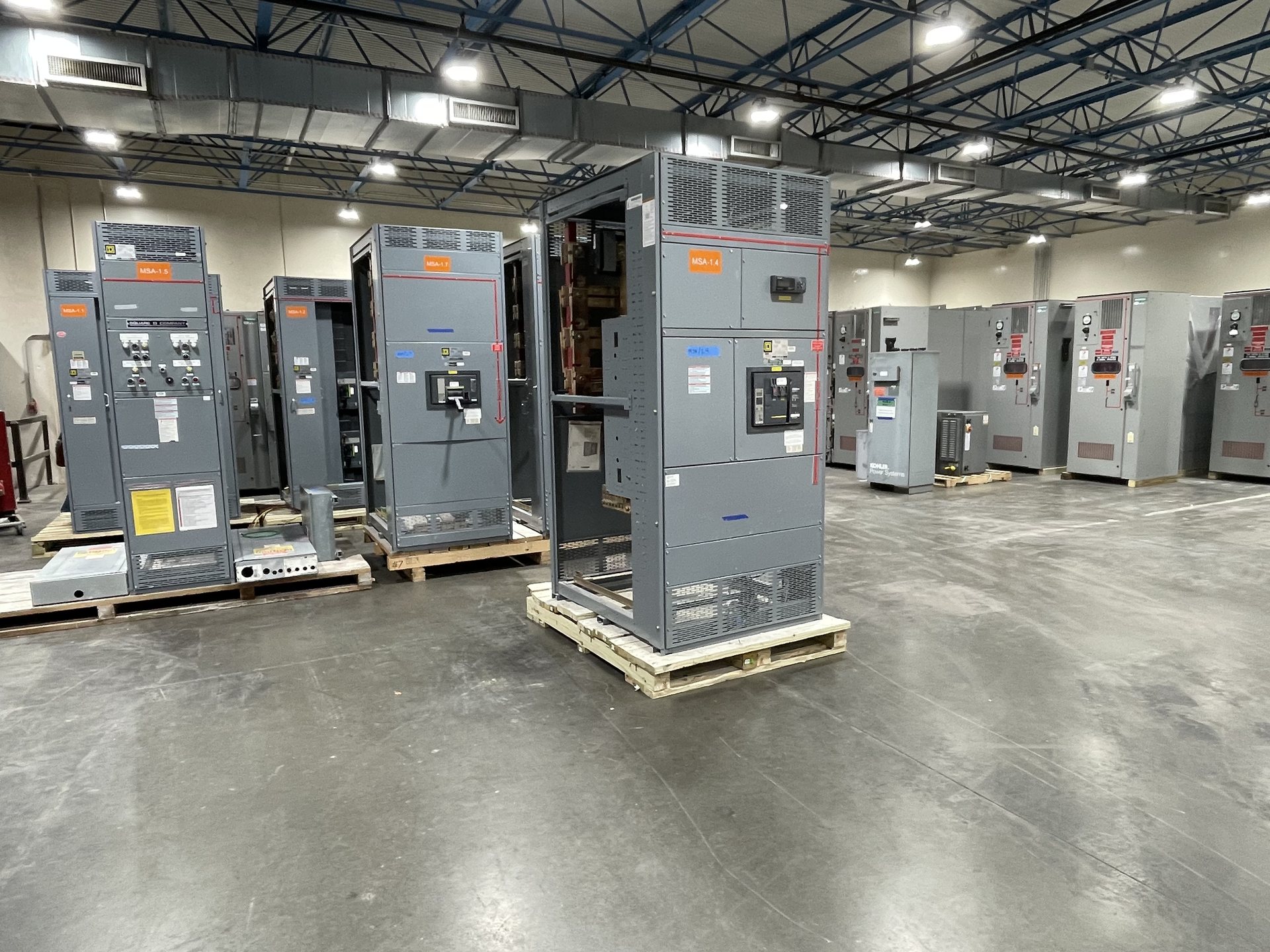
A buyer conversation about electrical assets associated with hospital closure in Florida
Considering a sale of electrical assets associated with hospital closure in Florida? Florida Switchgear Buyers buys electrical switchgear from decommissioned data centers and shut-down power plants, as well as other surplus electrical distribution equipment, in all voltage classes. We make cash offers and pay upfront for equipment we purchase. We handle disconnects, crane, rigging, removal, loading, freight and hauling, so the seller can simply get paid. No seller testing is required. The equipment is subject to review, and qualified personnel handle electrical work as needed.
An inquiry about electrical assets associated with hospital closure in Florida can identify equipment that the owner is authorized to sell. A facility may have assets with different functions, records, and ownership histories, so the site category does not determine what is included in a proposed sale. Florida Switchgear Buyers handles disconnects, crane, rigging, removal, loading, freight and hauling for purchased equipment, with qualified personnel as needed. The seller does not need to arrange this work or test the equipment.
Describe the equipment itself
A useful equipment description begins with the pieces actually being offered, rather than only the reason they became surplus. Existing records may identify a manufacturer, model, rating, section count, and physical condition. A single sale may include switchgear, switchboards, motor control centers, panelboards, busway, transfer switches, breakers, or unit substations. The seller can describe a mixed lot without asserting that all of its pieces are connected or compatible.
In a hospital-closure scenario, the equipment owner may be considering multiple electrical assets with separate records and responsible contacts. The proposed sale can distinguish a transfer switch from other distribution pieces. For purchased equipment the buyer handles disconnects, crane, rigging, removal, loading, freight and hauling; no particular hospital closure is asserted.
Consider an asset list with several contacts
An equipment sale can involve an owner, an asset manager, and a person familiar with the site. Those roles need not be held by the same individual. Identifying the authorized seller and the best contact for existing records helps keep questions clear. A potential seller can indicate whether the equipment is one piece or a larger group. The buyer handles the removal and logistics for the purchased equipment.
The reason an item became surplus is useful context, but it does not establish the condition or value of the equipment. An owner can distinguish the assets being offered from other equipment at the site. If the item is one part of a larger group, specify what is being considered and what remains outside the proposed sale. The buyer handles the removal and logistics for purchased equipment, while reviewing each proposed lot on its own details.
Describe condition without seller testing
An offer request does not require a seller to make a warranty about the condition of the equipment. A candid description can separate visible facts from missing history: for example, a known model number is different from an unknown service history. If there is existing documentation or an accessible photograph, it can be shared. Information that is unavailable can remain unconfirmed rather than being presented as a certainty.
No seller testing is required. Existing equipment records, labels, or photographs may help identify an item, but an owner should not conduct electrical work or handle equipment to answer a buyer’s questions. Only qualified personnel should handle electrical equipment. Where the history or condition is uncertain, the inquiry can say exactly that. The buyer reviews the information available rather than requiring the seller to establish that a piece works.
Cash offers and the scope of a sale
Cash offers and upfront payment are part of the stated buying proposition. An offer is considered in relation to the equipment being presented, so the owner should describe the actual pieces, quantities, and condition as far as known. There is no specific price or guaranteed acceptance on this page. A potential seller can ask about the sale while keeping uncertain information clearly marked as uncertain.
A single-piece inquiry and a mixed-lot inquiry may require different descriptions. For a lot, distinguish major equipment, loose components, and documentation rather than assuming they are all one assembly. For an individual item, identify whether associated pieces are included or excluded. This helps define what the buyer is considering. The presence of a manufacturer name or a current rating is an identifier; it should not be treated as an automatic valuation.
Buyer-handled removal, freight and a direct inquiry
The purchase proposition includes disconnects, crane, rigging, removal, loading, freight and hauling, all handled by Florida Switchgear Buyers for the equipment it buys. The seller does not have to organize or carry out those services. Qualified personnel handle electrical equipment as needed, and no seller testing is required. Existing information about the site, equipment quantities and access can be shared if available; the buyer handles the logistics.
To discuss a possible sale, call (614) 715-3047 or email saleselectricalbuyers@gmail.com. Florida Switchgear Buyers buys electrical equipment; it does not offer equipment for sale on this page. Tell the buyer what items are being considered and identify the best available contact for the asset details. Existing records can be shared where available, while unknown details can remain open. A request starts a conversation rather than guaranteeing a particular offer.